
SERMON SPOTLIGHT * 6/7/26
You are not the Christian you want to be. Yes, you know the gospel has freed you from the power and penalty of sin. But in a fallen world, temptation is around every corner, and sin’s presence is right there with you every step of the way. So what do you do? Below is an outline summary of the sermon for your further study and deeper reflection.
SERIES: Romans: The Power of God in the Gospel of Christ
TEXT: Romans 7:1-6
TITLE: But What About The Law?
PREACHER: Derek Overstreet
BIG IDEA: The gospel frees us from the demands of the law so we can freely obey from the heart.
POINTS:
I. The Principle
II. The Illustration
III. The Conclusion
SERMON EXCERPTS:
All quotes and text emphasis are taken directly from the pastor’s notes.
ILLUSTRATION: Five year felony removed
“I was not the person I wanted to be. I needed to try harder. I needed to do better. I needed to take the law seriously. The voice in my head said—Derek, just follow the law, and the problem is solved. Maybe you’ve never committed a felony, but spiritually speaking, you know exactly what I mean. You are not the Christian you want to be. Yes, you know the gospel has freed you from the power and penalty of sin. But in a fallen world, temptation is around every corner, and sin’s presence is right there with you every step of the way.”
“So what do you do? One option is to try harder. Be more disciplined. Take the rules seriously. Longer devotions. More meetings. Stricter boundaries. Press into God’s law like never before. That sounds right and good. After all, the pursuit of holiness is a biblical priority. But there’s a problem with that thinking: The law won’t solve my sin problem. It can’t make me good. That’s Paul’s point in Romans 7.”
“In the first three chapters of Romans, Paul reveals our devastating reality: everyone is a sinner under God's wrath and desperate for salvation. No exceptions. Whether religious or not, we are all guilty before God.”
“Then, in chapters 3 and 4, the gospel breaks in. There is only one hope for the sinner: justification by faith in the person and work of Jesus Christ.”
“In chapters 5 and 6, Paul goes off, piling gospel blessings upon blessings. In Christ, we have peace with God, the hope of glory, joy in suffering, God’s love poured into our hearts, and freedom from sin’s enslavement. In other words, the gospel doesn’t just free us from something; it frees us to something. In Christ, we are no longer under the law but under grace!”
“Now, in chapter 7, Paul explains how we should think about the Mosaic Law, particularly the Ten Commandments, since we are no longer under the law.”

“I think it’s helpful to identify, right up front, three attitudes we can hold toward the law:
Legalist: The legalist lives in bondage to the law. They act as if their acceptance with God depends on obedience to God. The better they keep God’s commands, the greater God’s pleasure and love for them. Their walk with God is like being on a treadmill. Gotta keep up, or else you’ll fall off. This is the attitude Jesus excoriated in the Pharisees and that Paul warns us about in today's text. For good reason: the performance treadmill of legalism leads to joy-sapping, gospel-denying moralism.
Antinomian: The Greek word nomos means law. Anti means against. The antinomian rejects the law. It’s irrelevant to their lives. The Ten Commandments have no place in the Christian’s life because they undermine and are antithetical to the grace of God. As a result, the antinomian mocks true gospel liberty by turning it into a license to sin. This is the attitude Paul confronts in 7-13.
(John Stott) Law-fulfilling Free People: This person rejoices in their blood-bought freedom from the law in justification and sanctification. They also understand they have been set free to serve God His way. So they delight in God’s law as an expression of His will for us and seek to obey it by the power of God’s grace and the indwelling Holy Spirit, without fear or condemnation, because they know they are secure in Christ. This is the attitude toward the law that Romans 7 as a whole exhorts us to, and 14-25 explains.”
“Here’s the message: The gospel frees us from the demands of the law so we can freely obey from the heart.”
“Paul is still unpacking the significance of what he said in 15—We are not under law but under grace. He begins with a principle—read 1
The principle is pretty straightforward. The law is binding on a person only while they are alive. The word binding means to have mastery over. The point is that the law has no authority over a dead person. Death releases you from any and all obligations to the law. Pretty simple: the law is for the living.”
“Paul now applies the principle to marriage. Don’t draw conclusions about marriage, biblical reasons for divorce, and remarriage from this text. That’s not Paul’s point. Other texts, such as 1 Corinthians 7, address that. Here, Paul is simply using marriage to illustrate a believer’s relationship to the law. As long as the husband is alive, the wife is bound to the marriage. If she marries another man while the first husband is still alive, she is guilty of adultery because, under the law, she remains married to the first husband. If the husband dies, the widow is free to remarry because his death releases her from the marriage obligation. Death frees her to enter a new relationship. Pretty clear, right: the law binds the living; death changes everything.”
“When Paul says Likewise, he draws a comparison between the marriage illustration and the Christian life—just as physical death terminates marriage, spiritual death terminates our bondage to the law. The Conclusion: Christians are no longer under the law.”
“Before Christ, we were bound in an unhappy marriage. But just as the widow is no longer married to her dead husband because a death occurred, we are no longer bound by the law because God considers us to have died in and with Christ (union with Christ in 6:1-14). Death ends your obligation to the law.”
“The moment you believed in Jesus, your old self, which lived under condemnation to the law, entered into union with Jesus and was sealed by the Spirit. That means you are now free from the law’s condemnation and in a new relationship with Jesus.”
“Question) If the law is no longer binding on the Christian, is it still relevant in a Christian’s life? Answer) Yes and No.”
“NO, the law is no longer relevant to the believer in the sense that we have been set free from obedience to the law as the basis of our relationship with God. We are no longer trying to justify or sanctify ourselves by keeping it. Jesus, who fulfilled the law for us, is the basis of our relationship with God. We are justified, not by our obedience, but by faith in the Obedient One who gave his life for us on the cross. Jesus, not the law, is our Master. On the other hand, YES, the law is relevant to believers. Jesus came to fulfill it, not abolish it (Matthew 5:17). The law still stands. It still reveals sin. It still reflects God’s holiness. It still reveals God’s ways. It still points us to Christ. Interpreted through Jesus’ teachings and sacrifice in the NT, the law shows us how sinners freed by the gospel can live in God’s goodness and for His glory, bearing good fruit without fear of condemnation.”
“Why do you obey God? Not because the law demands it and your salvation requires it, but because your heart desires it and your salvation leads to it.”
“This is what it means to be free in Christ. And the purpose of our freedom in Christ? Look at the end of 4 with me—in order that we may bear fruit for God.”
“This grand purpose is impossible under the law. The law can tell me what to do, but it cannot empower me to do it. Paul says, when we were in the flesh, still in Adam (5:12-14), our sinful passions were aroused (stimulated) by the law. The law gives us knowledge, but it can’t bridle our sinful passions.”
“To this point in Romans, talk about the law has been largely pejorative. But next week we’ll see that the law is actually good. It’s not good enough, but it’s good. Here, Paul says that ultimately the problem is not the law; it’s my sin. If the law is going to arouse sin, there has to be sin in my heart.”
“The point is that a marriage between an unregenerate heart and the law is unhealthy and destructive. It bears only the fruit of death. Here’s the good news—read 6.”
“But now signals a change. Once dead in our sin and captive to the law, by faith and grace we have died with Christ. Remember what death does? It releases us from the law. Having been released from the law, we are now captive to another. We belong to another. We have been set free to serve God and bear fruit in our lives for His glory. How? Not under the old written code (the Old Covenant, where the Mosaic Law was central), but in the new life of the Spirit that characterizes the New Covenant inaugurated in the death and resurrection of Jesus Christ. The gospel changes everything by freeing us from the demands of the law so we can freely obey from the heart.”
“The truth is, we all have a little legalist living inside us. Maybe you've never stopped running on the performance treadmill. You've always assumed God accepts people who perform. Maybe you're on and off the treadmill, depending on the season or category of life. Legalism has crept into your walk with God here and there. Here's the good news: Jesus didn't come to give you better rules. He came, died, and was raised from the dead to give himself to you so you could live freely for his Father.”
“I had to earn my freedom from a felony by obeying the law. But in Christ, you aren’t striving to get free—you’re living as the free person you already are. The key to a vibrant faith is not trying harder, setting stricter rules, or exercising more willpower. It’s the gospel. It’s your union with Christ. It’s life in the Spirit. You no longer serve a written code—you walk with a living person—Jesus Christ! The gospel frees us from the demands of the law so we can freely obey from the heart.”
APPLICATION:
Where do you need to top asking rules to do what only Jesus can do? Here are some clues to help identify: absence of joy, consistent condemnation, spiritual dryness, exhausting sense of duty, self-righteousness, lack of growth. These are the fruits of legalism. Let me remind you:
- The Spirit gives you desire where there was only duty by causing you to value and want what God values and wants.
- The Spirit doesn’t just give you knowledge of what’s right, as the law does; He empowers you to follow it.
- The Spirit seals your heart, assuring you that you belong to Christ, so you can obey from a place of being loved rather than striving for favor through the law.
Here's the good news: Jesus didn't come to give you better rules. He came, died, and was raised from the dead to give himself to you so you could live freely for his Father.
QUOTES:
John Stott - “The law says, do this and you will live. The gospel says, you live, so do this.”
SCRIPTURE MEMORIZATION:
Romans 6:8-14
SONGS FROM THIS SUNDAY:
Man Of Sorrows
All Sufficient Merit
O Great God
I Am Not My Own
NEXT WEEK’S PASSAGE:
Romans 7:7-13
THE BOOK OF THE QUARTER:
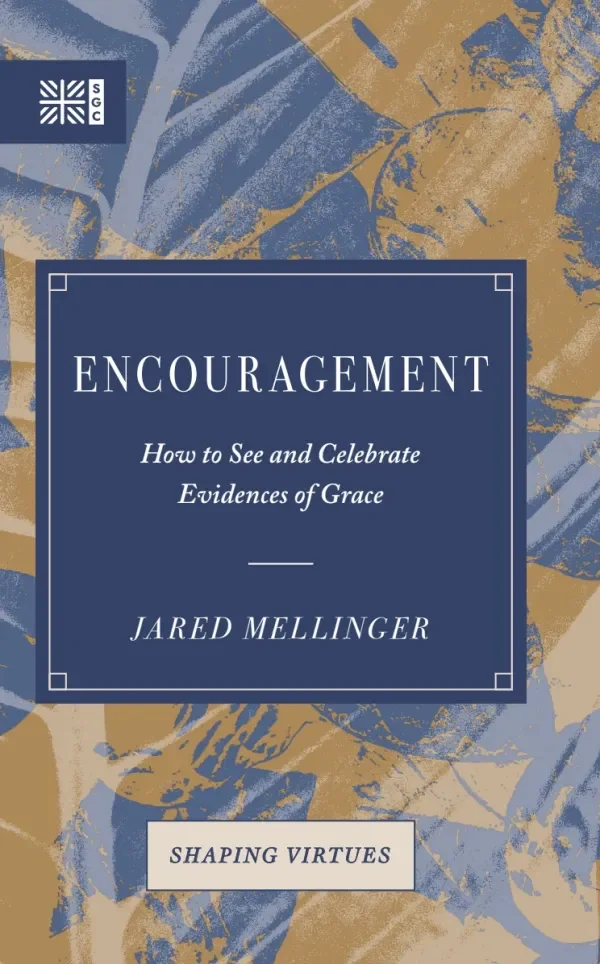
CLICK BELOW TO PURCHASE OUR BOOK OF THE QUARTER:
“Encouragement: How to See and Celebrate Evidences of Grace” - Jared Mellinger